The psychology behind player decisions in the casino environment
The allure of gambling and its psychological triggers
The environment of a casino is meticulously crafted to enhance the player experience, leveraging various psychological triggers to draw individuals into prolonged play. Bright lights, vibrant colors, and captivating sounds are designed to create an exhilarating atmosphere. These sensory stimuli trigger the release of dopamine in the brain, associating gambling with feelings of pleasure and excitement. This connection fosters an urge to keep playing, as players seek to replicate the high from previous wins. For instance, players can explore various options at https://pinco-official.ca/, which showcases how enticing the online gaming experience can be.
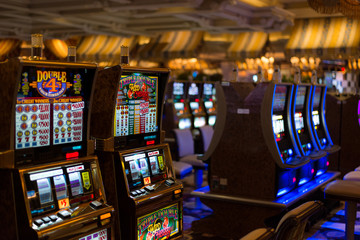
Moreover, the layout of casinos is intentionally designed to keep players engaged. Slot machines and table games are strategically placed to maximize visibility and accessibility, encouraging players to participate. Research indicates that the design of a gaming environment can significantly influence decision-making and time spent in the casino. Players often underestimate how much time they have spent gambling, due in part to the absence of clocks and natural light, further encouraging them to lose track of time.
Social interactions also play a significant role in player decisions within the casino environment. Many players enjoy the communal aspect of gaming, often engaging in conversations with fellow players and dealers. This social component not only enhances enjoyment but also reinforces gambling behaviors as individuals may feel a sense of belonging. The presence of others can amplify both excitement and competitiveness, ultimately impacting how decisions are made at the gaming table.
The role of cognitive biases in gambling decisions
Cognitive biases significantly influence how players make decisions while gambling. One of the most prevalent biases is the illusion of control, where individuals believe they can influence outcomes in games largely governed by chance. For example, players may think that their choices in a slot machine, such as timing their spins or choosing specific games, will impact their likelihood of winning. This illusion can lead to increased play and a greater emotional investment in outcomes.
The gambler’s fallacy is another common cognitive bias that can cloud judgment. This belief suggests that past outcomes in a game of chance will affect future results. For instance, a player might think that a series of losses on a roulette wheel means a win is “due.” This fallacy can result in players making risky decisions based on flawed logic, often leading to larger losses and deeper financial commitments.
Lastly, the concept of loss aversion also affects player decisions. Research indicates that people tend to prefer avoiding losses rather than acquiring equivalent gains, leading to irrational decision-making during gameplay. In a casino setting, this bias can manifest as players doubling down after a loss in an attempt to recoup their previous losses. This behavior can create a cycle of compulsive gambling, where the desire to avoid losses overshadows rational thinking.
Emotional factors influencing gambling behavior
The emotional state of a player is a crucial factor affecting their decisions in a casino environment. Emotions such as excitement, frustration, or even boredom can lead individuals to make impulsive choices. For instance, a player celebrating a win may be more inclined to continue playing, believing that luck is on their side. Conversely, a player experiencing frustration from losses may gamble more in an attempt to recover, often leading to further emotional and financial turmoil.
Moreover, the concept of “chasing losses” is prevalent in gambling psychology. Players who lose money may feel compelled to keep playing in hopes of winning back their lost funds. This emotional response can cloud judgment and lead to a dangerous cycle of increased betting. Research shows that individuals who experience heightened emotions while gambling are less likely to make rational decisions, contributing to gambling addiction over time.
The importance of understanding emotional triggers in the casino environment cannot be overstated. By recognizing how emotions influence behavior, casinos can implement responsible gaming initiatives that help players manage their emotional responses. Educational programs focusing on self-awareness and emotional regulation can empower players to make informed decisions, ultimately promoting healthier gambling behaviors.
The impact of rewards and reinforcement schedules
The concept of rewards is central to the psychology of gambling. Casinos often use various reinforcement schedules to encourage player engagement. Variable-ratio reinforcement, where rewards are given at unpredictable intervals, is particularly effective in gambling. This unpredictability fosters excitement and keeps players returning for the possibility of a win, even if losses accumulate. This type of reinforcement is crucial for maintaining player interest over time.
Additionally, the immediate gratification of small wins can create a sense of achievement, further reinforcing gambling behavior. Players often experience a rush of excitement from winning, no matter how small the amount, which can motivate them to continue playing. This cycle of winning and losing is compelling, and many players find it challenging to break free from the lure of potential rewards.
It’s important to recognize how these reward systems contribute to gambling addiction. The consistent reinforcement of behavior can lead to habitual gambling, where individuals prioritize gaming over other aspects of their lives. Understanding the psychological impact of rewards is essential for casinos, as they have a responsibility to promote responsible gambling practices that prioritize player well-being.

Pinco Casino: A responsible gaming environment
Pinco Casino is dedicated to creating a responsible gaming environment for players. With a diverse range of over 5,000 games, including slots and live dealer options, the platform prioritizes security and user experience. By offering licensed operations and supporting responsible gambling, Pinco Casino aims to provide players with a safe and engaging experience. The commitment to player protection includes educational resources on gambling addiction awareness, highlighting the importance of informed decision-making.
New players at Pinco Casino Canada can benefit from generous bonuses and access to demo games, allowing them to familiarize themselves with the gaming environment without immediate financial pressure. Ongoing promotions keep the excitement alive, but the platform also emphasizes the importance of setting limits and playing responsibly. With 24/7 customer support, players can seek assistance at any time, reinforcing the commitment to a trustworthy gaming experience.
By prioritizing player well-being and incorporating responsible gaming initiatives, Pinco Casino creates an environment that encourages healthy gambling habits. The awareness of the psychological factors influencing player decisions is integral to fostering a sustainable gaming community. As the online gaming industry continues to grow, platforms like Pinco Casino Online exemplify the importance of balancing entertainment with responsibility in the gambling landscape.